THE AI Climate Hoax
I guarantee you’ve heard the harms of data centre expansion justified on the grounds that “AI” will ‘solve climate change’. These range from sci-fi claims of superintelligence through to detailed reports stacked with hundreds of examples of ‘AI for good’ helping energy, transport and industry cut emissions.
In partnership with the good people at the organisations shown below, I’ve created a new report that, for the first time, interrogates both the logic and the evidence for this claim.
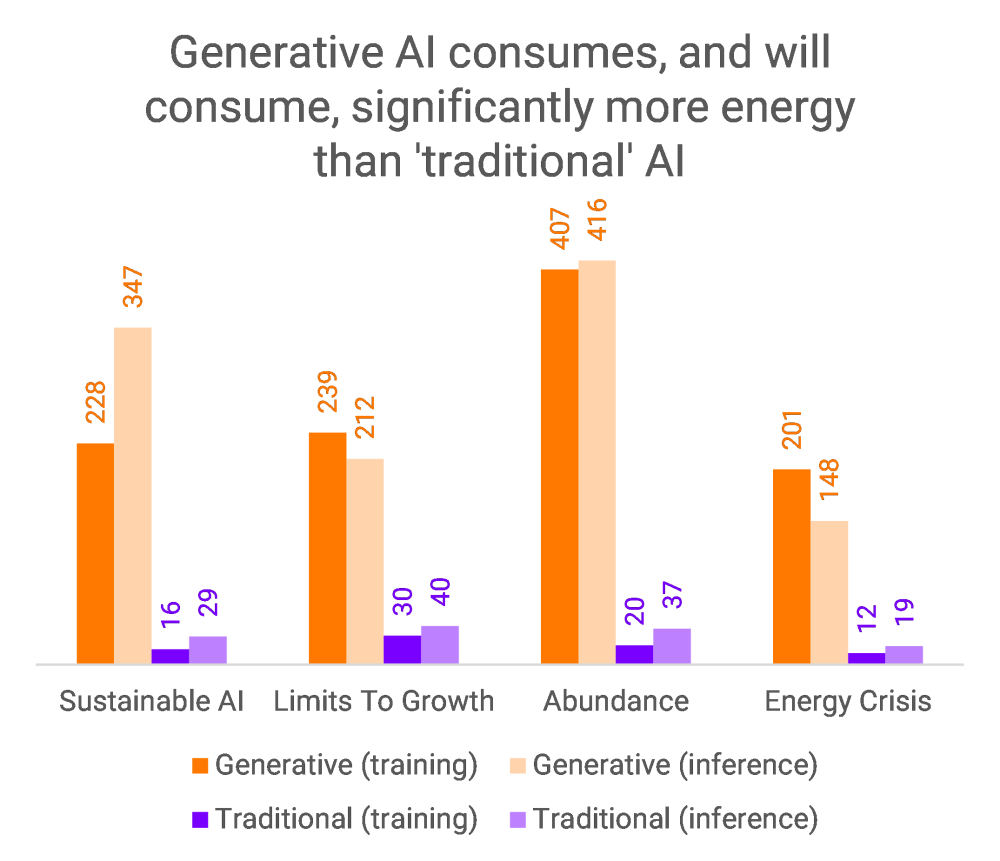
We found that most of the ‘benefit’ tends to relate to older, smaller and leaner forms of machine learning, what has been called ‘traditional AI’, while we also know that most of the new harm is likely stemming from consumer generative AI over-deployment.
This distracts from the decisions made by companies that result in their own fossil fuel use rising at an unprecedented rate.
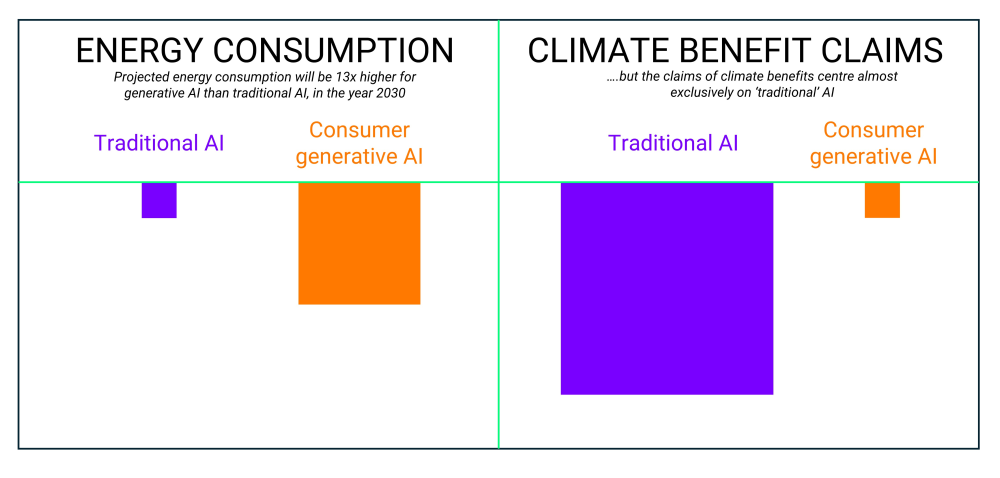
We also found that the evidence presented for examples of climate benefit, regardless of AI type, tend to be weak whether from companies or organisations like the IEA. The potential benefits are overstated, in surprising and significant ways.
What we see is companies veering wildly away from their climate targets. In most cases, this is true whether you use their ‘adjusted’ metrics that incorporate renewable energy offsets and deals or not.
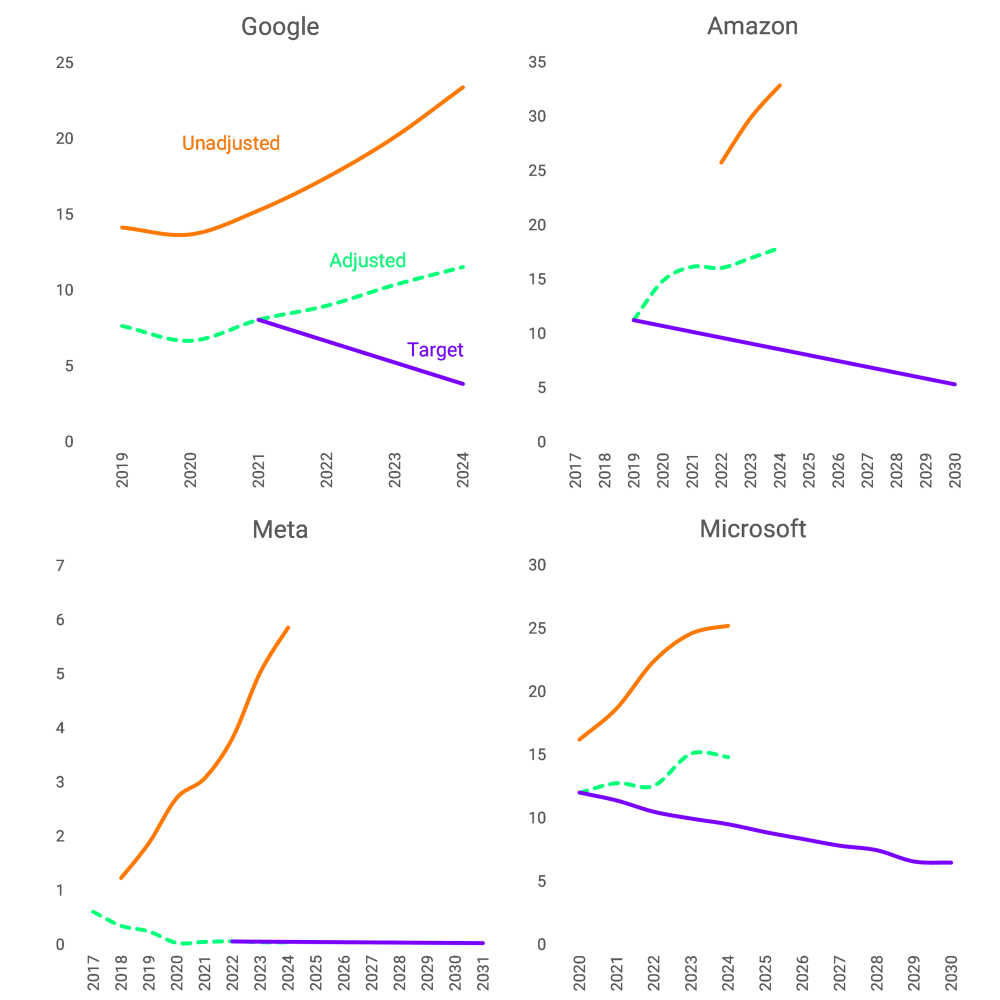
That is a choice, and this focus on ‘AI for climate’ is a distraction from the decision to worsen the pollution of data centres through an unprecedented explosion of digital bloat.
— Author, Ketan Joshi